Healthy Coping Strategies
|
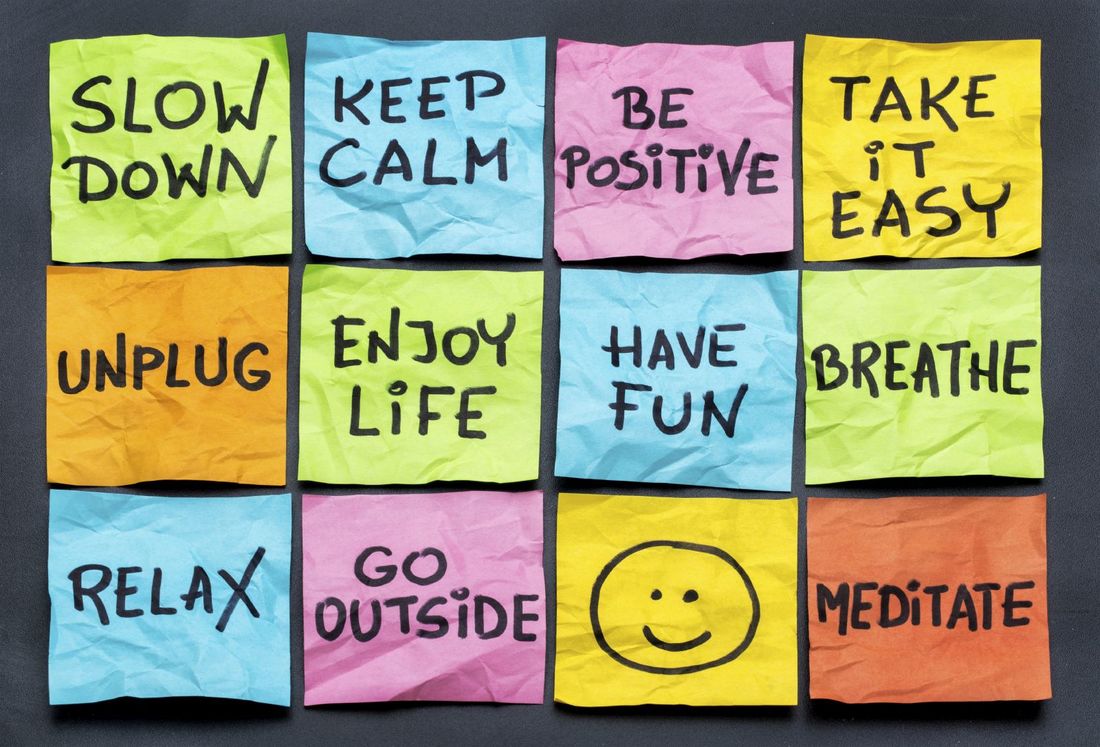
The key to coping with stress is not to avoid it, but to learn how to manage it in constructive ways. For many, this is not a skill that comes naturally, but one that they must develop over time. While no strategy can guarantee a successful outcome, taking a healthier approach to stress management is preferable because it can help reduce the negative impacts of stress on our bodies, like higher blood pressure and lowered immune system responses.
A coping strategy is any action we take to help us deal with a challenging situation, but some are better for us than others. The first step is to determine if your preferred strategies are constructive (positive and healthy) or destructive (negative and unhealthy). |
A constructive coping strategy will meet the following criteria:
Try some of these healthy coping strategies the next time you feel stressed out.
- It helps you confront the problem directly by calmly examining the options and determining the best way to approach the situation.
- It helps you avoid self-deception and negative self-talk by approaching stress with a more realistic attitude and healthy, helpful strategies.
- It will help you minimize the negative impacts of stress on your body.
- It helps you recognize and reduce your unhelpful and unhealthful emotional reactions to stress.
Try some of these healthy coping strategies the next time you feel stressed out.
Learn problem-focused coping
Find a strategy that will help you deal directly with the source of your stress, so that it reduces your overall feelings of stress. For example, if you are struggling in a class, you might act as a good self-advocate, approaching your teacher and asking for the help that you need. If you are feeling overwhelmed with all the demands on your time, you might make a detailed schedule to help you stay on top of everything. Even something as simple as a clear to do list can help you cope better with a heavy workload.
An excellent way to develop better problem-focused coping skills is to set SMART goals and strive to meet them. The process of setting a SMART goal involves making a specific plan to help you change your behaviour or tackle a problem in your life, which is exactly what problem-focused coping involves. Start with a small weekly goal. Once you have achieved a few short-term goals, try using the technique to set some bigger long-term goals.
An excellent way to develop better problem-focused coping skills is to set SMART goals and strive to meet them. The process of setting a SMART goal involves making a specific plan to help you change your behaviour or tackle a problem in your life, which is exactly what problem-focused coping involves. Start with a small weekly goal. Once you have achieved a few short-term goals, try using the technique to set some bigger long-term goals.
Try emotion-focused coping
|
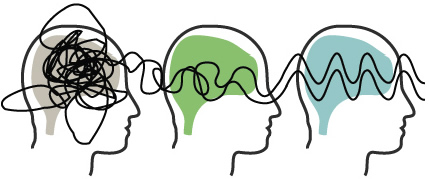
These strategies help you to minimize the emotional stress you may sometimes feel. You may choose to forgive a friend who has hurt you, so you can more easily let go of the negative emotions that you associate with your relationship. You may focus on learning more positive self-talk, so you can quiet the negative voice in your head that tells you that you can't handle the stressful situation you are facing. Regularly adopting a practice, like mindfulness, that helps you to stay calm under pressure may also help.
|
Seek social support
|
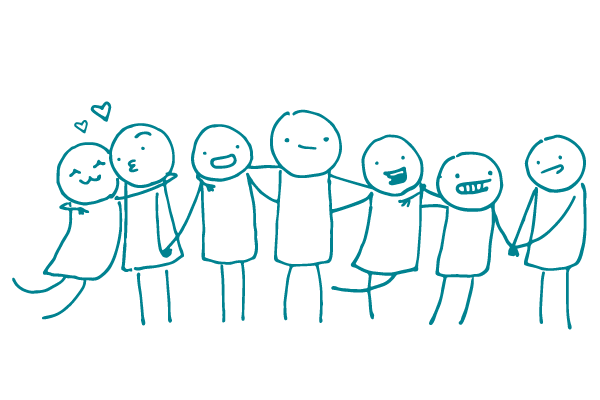
During periods of stress, many people keep their feelings to themselves and try to deal with everything on their own, but it is usually a better idea to reach out and ask for help. Whether you need someone to listen and offer emotional support, do you a favour or help you with a task that you can't do on your own, research clearly shows that reaching out to others is a great way to reduce the negative effects of stress on your health and emotional state.
Those with strong and active social connections appear to have healthier immune systems and a reduced risk of a variety of illnesses, including heart disease. Those with large social networks may live longer. |
|
It is important to note that not all social connections are beneficial. Our friends and family may distract us from completing important tasks, which only increases our stress in the long run. The people in our lives may also be a source of stress, especially if the relationships are sources of conflict. To combat these potential stressors, prioritize time with people who are a positive part of your support network.
If you want to grow your social support network, schedule time with the important people in your life the same way that you would schedule a doctor's appointment. Whenever possible, try to make this face-to-face time where you both turn off your tech and focus on having a meaningful conversation with each other. Another good option is to make a list of people that you would like to spend more time with. Go through your list, calling people for a chat or setting up a time to get together.
If you want to grow your social support network, schedule time with the important people in your life the same way that you would schedule a doctor's appointment. Whenever possible, try to make this face-to-face time where you both turn off your tech and focus on having a meaningful conversation with each other. Another good option is to make a list of people that you would like to spend more time with. Go through your list, calling people for a chat or setting up a time to get together.
Practice optimism
An important component of a growth mindset, optimism is the tendency to expect positive outcomes. Optimists usually have better physical health. They are also more likely to use healthful coping strategies in response to stress than pessimists because they are more likely to seek out social support and to use action-oriented, problem-focused coping methods. Unlike pessimists, who tend to engage in catastrophic thinking and self-blame, optimists typically attribute difficulties to temporary situational factors. Perhaps it is their positive outlook that explains why they are more productive and live longer, healthier lives.
A simple way to start becoming more optimistic is to practice gratitude daily. At the end of each day, write down the three most positive things that happened to you that day. This practice will help you to see that, even on a particularly bad day, there were always some bright spots. You may also try performing random acts of kindness each day (e.g. giving up your seat on the bus for an elderly passenger, helping your parents prepare dinner, giving some spare change to a homeless person). Research shows that those who are more charitable and kind are also more optimistic and happy.
A simple way to start becoming more optimistic is to practice gratitude daily. At the end of each day, write down the three most positive things that happened to you that day. This practice will help you to see that, even on a particularly bad day, there were always some bright spots. You may also try performing random acts of kindness each day (e.g. giving up your seat on the bus for an elderly passenger, helping your parents prepare dinner, giving some spare change to a homeless person). Research shows that those who are more charitable and kind are also more optimistic and happy.
Find healthy ways to release pent-up emotions
|
Evidence suggests that those who repress stressful emotions, like anger, may intensify their body’s stress response. Over the long-term, inhibiting our emotions contributes to health problems, like increased blood pressure.
But when it comes to releasing your pent-up emotions, proceed with caution; not all ways of expressing our feelings will reduce our stress. Aggressive behaviours, such as yelling or fighting, do not lower stress levels. In fact, some research suggests that aggressive activities may encourage us to hold on to negative emotions and stress. |
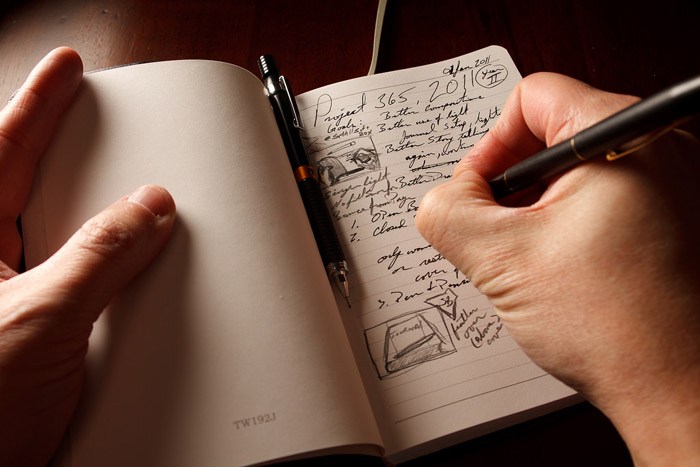
Instead, trying writing about your feelings in a journal or expressing your thoughts through creative writing. Find a hobby, like drawing or crafting, that helps you relax and express your feelings in a healthy way. It also helps to activate your social network and find a good listener who will let you vent your fears, worries and frustrations. You will need to engage in one of these activities for at least 15 minutes at a time and on a regular basis to truly feel their beneficial effects.
Learn to relax
|
Relaxation techniques are excellent tools for soothing the emotional and physical symptoms of stress. A great deal of research points to the effectiveness of practicing yoga and meditation for relaxation, but if those practices do not appeal to you, research also suggests that spending some time quietly alone in nature can have similar effects. You don't have to be in the middle of the forest to get the benefits. Even visiting a park near your house and sitting in the grass under a tree will do.
No matter what you choose to do, the keys to effective relaxation are: |

|
- A quiet environment
- Focusing attention on a simple mental device such as the repetition of a single word or concentration on your breathing.
- Calmly refocusing on your mental device when your mind wanders.
- A comfortable position
To achieve the full benefit of relaxation practices, they should be performed daily for at least 15 minutes.
Reduce the physical damage caused by stress

|
To minimize the harm that stress does to our bodies, it is a good idea to eat healthfully, get enough sleep and engage in regular exercise. It is also a good idea to avoid behaviours that are harmful to our health, such as binge drinking and smoking.
Regular exercise does not have to be particularly strenuous. A brisk walk for 30 minutes each day will provide all the exercise we need. The key is to find an activity that you enjoy. To avoid injury when beginning a new exercise routine, gradually increase your level of intensity and the frequency of the activity. |
To keep yourself motivated, set personal health goals and add workouts to your schedule, treating them like any other appointment. You can also reward yourself for continued participation with a healthy reward (e.g. new running shoes, a movie night with friends).
When you're feeling stressed, the key is to identify the source of your stress and then pick the healthy strategy that will best help you to reduce or at least cope with the stress you are feeling. If you can adopt that habit, you will be happier and healthier in the long run.
When you're feeling stressed, the key is to identify the source of your stress and then pick the healthy strategy that will best help you to reduce or at least cope with the stress you are feeling. If you can adopt that habit, you will be happier and healthier in the long run.
